
TECHNICAL GUIDE TO MATERIALS FOR CONTRACT LIGHTING
A technical review of the selection criteria for metal and ceramic finishes in custom lighting. Operational guidelines for preparing dispute-free specifications on site.
The problem as it arises on site
In hospitality and luxury retail projects, the aesthetic performance of a custom lighting fixture risks degrading due to rushed decisions made during the sampling phase. The discrepancy between the approved studio prototype and the serial supply intended for guest rooms or common areas represents one of the most frequent disputes during final installation.
Surface finishes react differently depending on solar exposure, relative indoor humidity, and the frequency with which cleaning staff use aggressive detergents. A metallic coating or glazed ceramic not calibrated for the actual intended use will generate halos, oxidation, or unsightly micro-cracks within the first few months of system operation.
For an architect or FF&E designer, managing these critical issues means transforming the visual description of the material into a rigorous set of physical requirements. Understanding the process tolerances of individual components allows precise standards to be defined, preventing site downtime and avoiding unexpected costs for last-minute restorations or replacements.
The indices that matter, and what they really say
The evaluation of brass and noble metals must focus on the thickness of the transparent protective grade and the continuity of the mechanical satin finish. The brushing grain determines the absorption or reflection of ambient light, influencing both color perception and the ability to mask minor fingerprints or dust deposits.
For handcrafted blown glass, critical elements lie in the regularity of the wall thickness, the control of air bubbles, and the absence of structural stresses in the annealed material. The purity of the glass batch directly affects the luminous transmittance coefficient, while dimensional tolerance variations condition the tightening of locking rings.
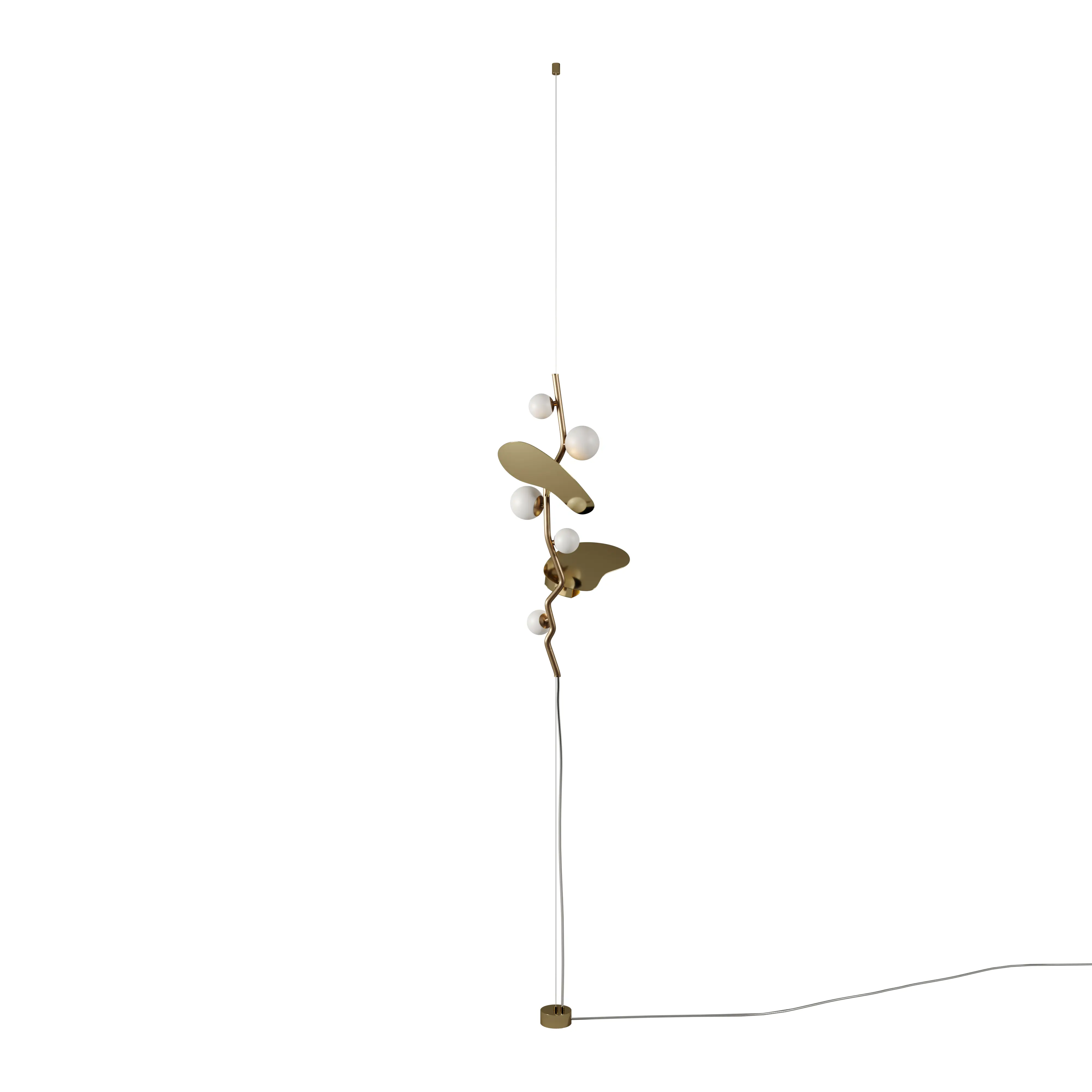
Glazed ceramic and pleated fabric require a cross-analysis between mechanical behavior and reaction to the heat emitted by the optical assembly. In the case of ceramics, enamel thickness and firing temperature determine water absorption, while for fabrics, the fold densitometry defines the rigidity of the shape and visual stability under direct luminous flux.
| Cosa | Valore | Quando |
|---|---|---|
| Protective transparent paint thickness on satin brass | 20 micron | Installations in high-traffic areas or hospitality environments |
| Blown glass diffuser wall thickness | 4 - 6 mm | Suspensions and ceiling lights in indoor public spaces |
| Dimensional tolerance for blown glass mounting collar | 3 mm max | Mechanical coupling between glass and metal structure |
| Water absorption of glazed ceramic | < 0.5% | Wall-mounted decorative components or table lamp bases |
| Pleating pitch for pleated fabric | 10 - 15 mm | Shaped lampshades with diffused light |
The thresholds: satin brass, blown glass, glazed ceramic
Satin brass requires the application of a transparent oven-baked protective coating with a minimum thickness of twenty microns to ensure resistance to fingerprints and atmospheric oxidation in public spaces. In the absence of this protective layer, the metal quickly develops uneven dark spots at points of frequent contact or in the presence of residual moisture.
Blown glass used in hospitality diffusers must maintain a wall thickness between four and six millimetres to ensure sufficient resistance to ordinary mechanical impact. Dimensional tolerances exceeding three millimetres on the fitting mouth cause optical axis misalignment or accidental breakage during light source maintenance operations.
Glazed ceramic for bases or ceiling roses must exhibit a water absorption rate of less than zero point five percent to prevent crazing of the vitrified surface over time. At the same time, pleated fabric for lampshades requires a constant pleating density with a pitch between ten and fifteen millimetres to maintain a uniform geometry.
How to write a specification
The drafting of the technical specification sheet must avoid generic or purely commercial definitions, favoring measurable numerical parameters and industrial reference standards. A correct text specifies the type of mechanical processing, the specific alloy used, the application method of the protective coating, and the permitted tolerance margins for hand-crafted components.
It is necessary to separate the description of structural hardware from the specifications of decorative or light-diffusion parts. Explicitly indicating test procedures for metal finishes and visual rejection criteria for inclusions in blown glass allows the supplier to accurately quote the production commitment without calculating high margins of uncertainty.
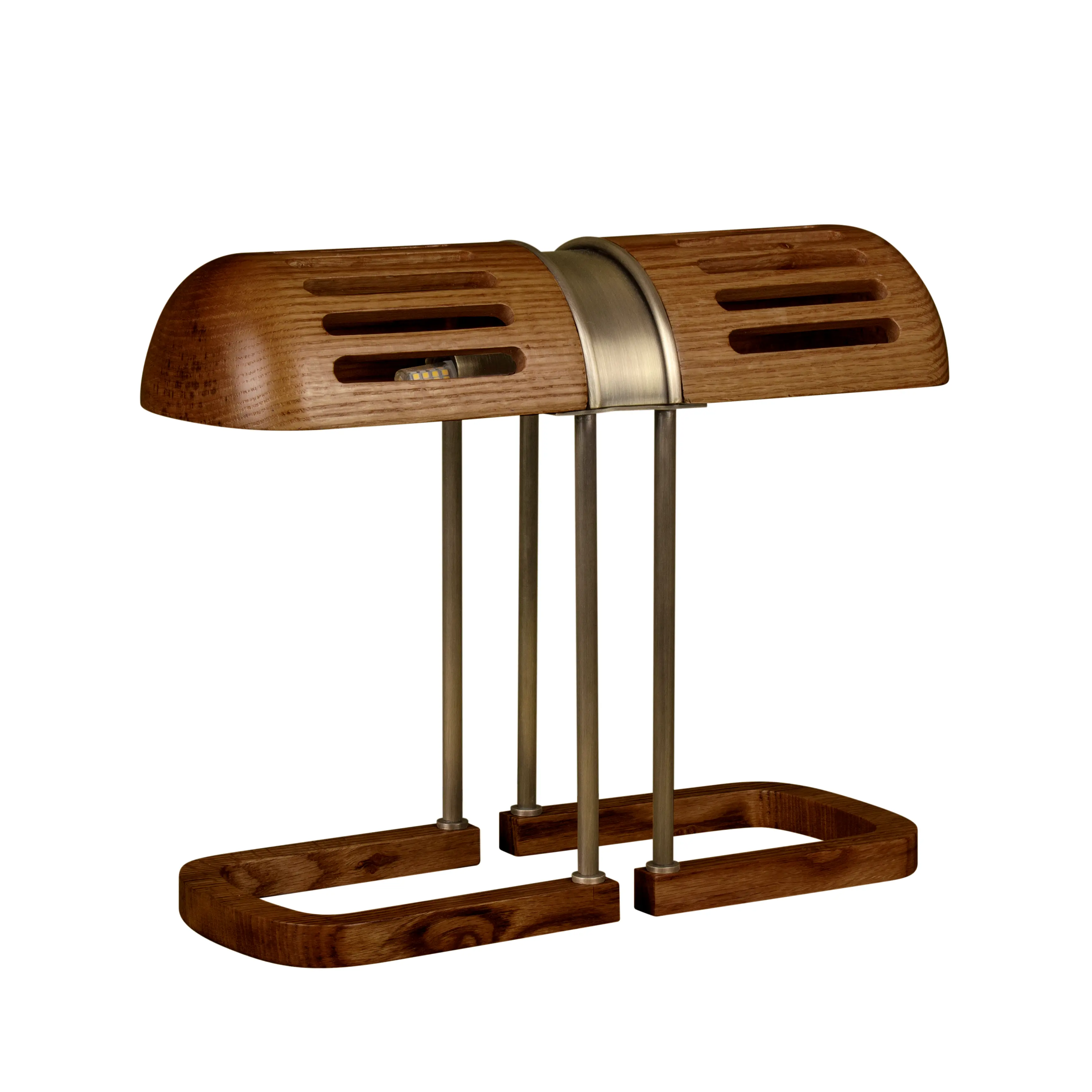
Integrating into tender documents the obligation to deliver the preventive maintenance schedule allows the final hotel operator to plan cleaning operations with suitable products. This step formalizes the contractor's responsibility, protecting the architecture studio from disputes arising from the improper use of chemical products during the facility's operation.
The mistakes you pay for later
The most serious mistake during selection consists in approving a small-scale metal sample without verifying the rendering of the same finish on extended or curved surfaces. Brushing and galvanic treatments show evident tone variations when applied to complex volumetric components compared to flat test plates.
In the case of handmade ceramics and glass, underestimating the physiological inhomogeneity between distinct production batches leads to lamps installed in the same room with mismatched color shades. Without formal registration of raw material batches, replacing a damaged element requires the complete remanufacturing of the entire series with disproportionate costs.
Finally, failing to verify the thermal compatibility between the LED source, the pleated fabric diffuser, and the sealing gaskets causes premature yellowing of the lampshade. Heat concentration in restricted areas alters the rigidity of the folds, leading to structural failures of the textile structure and alterations in the expected luminance uniformity.
What to ask the supplier
During the sampling and pre-series phase, the design studio must establish a direct technical dialogue with the production managers. Requesting traceability of galvanic baths and verification of the stability of transparent paints helps to understand the level of quality control applied across the entire supply chain.
It is essential to clarify in advance the acceptability limits for the inhomogeneities of handcrafted materials, defining a limit visual range before manufacturing begins. This preliminary sharing reduces the risk of rejecting pieces during the testing phase and streamlines assembly operations by on-site installation teams.
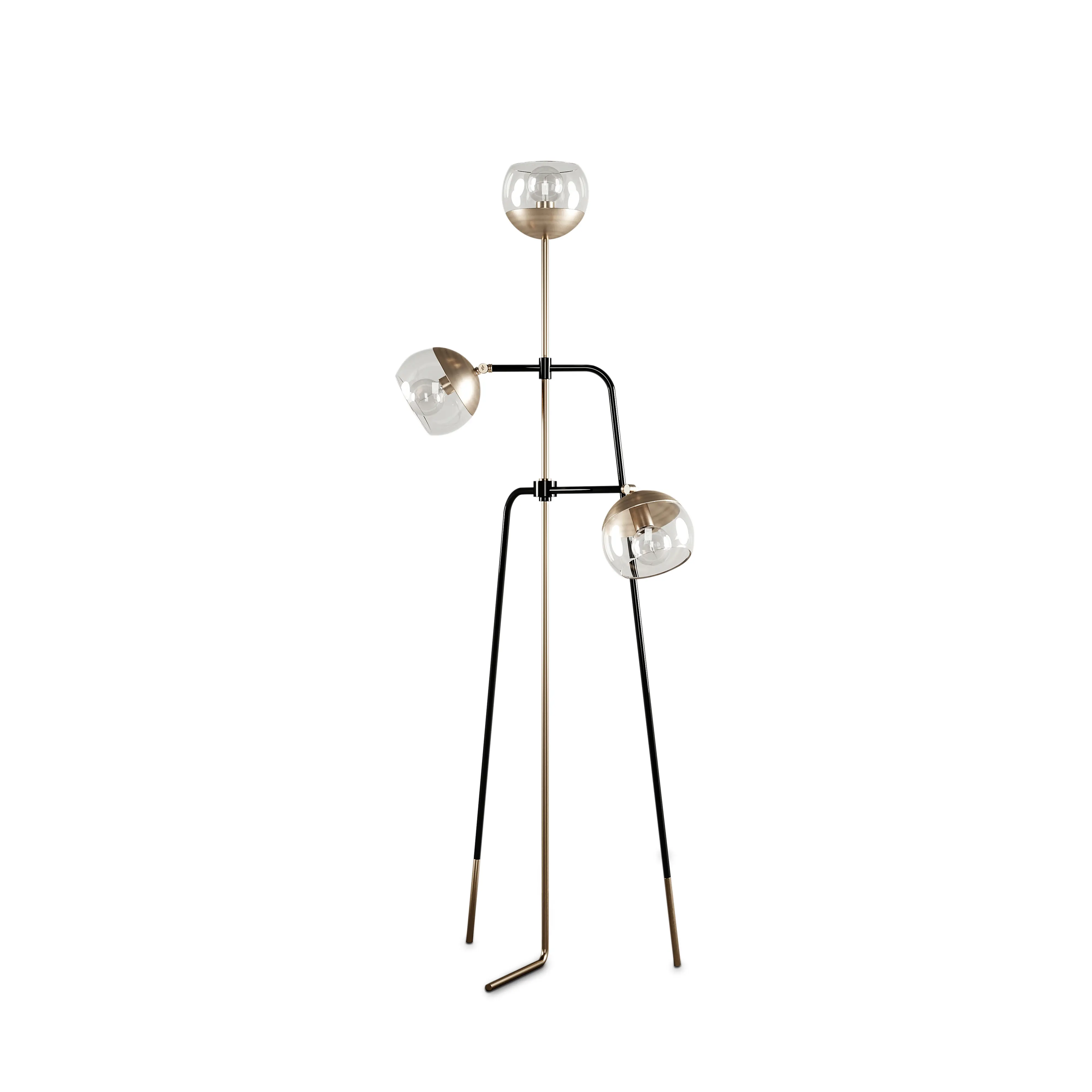
A rigorous discussion on assembly methodologies, fixing sequences, and the maintainability of optical groups ensures that the custom product does not prove delicate during daily use. Asking the manufacturer to simulate cleaning procedures and replacement of wear-and-tear parts allows adjustments to be made to the technical drawing before final approval.
What to ask the supplier
- What adhesion and thickness tests are performed on the protective layer of satin brass?
- What is the maximum accepted dimensional tolerance on blown glass thicknesses?
- How is colour stability guaranteed between different batches of glazed ceramics?
- Is the pleated fabric subjected to any water-repellent or anti-dust treatment?
- Is it possible to receive a sample collection with the minimum and maximum limits of variation for manual finishes?
Brass is alive, and someone has to decide whether to let it live
Unprotected brass changes colour: it darkens where hands touch it, stays bright where nobody reaches, and after two years it narrates how the room is used. It can be beautiful or read as neglect, and the difference is not in the material: it is in having decided.
A clear protective coat stops the process and keeps day-one colour, but it has a life of its own: it wears at contact points and, when it goes, it goes in patches. Badly aged lacquered brass is worse than well aged bare brass.
So the question for the specification is a single one, and it goes to the client before the supplier: must this surface stay as it is, or must it change. Everything else follows from that, including the cleaning protocol.
Blown glass is not identical to itself, and that is the point
Every blown piece has slightly different thicknesses, and with them bubbles, striations and a transparency that never repeats identically. It is not a defect: it is the reason for choosing blown glass over pressed glass, which is perfectly repeatable and looks it.
The problem arises when that variability is not declared and the client discovers it in a row of twelve pendants. At that point the discussion is not technical but about expectation, and it is the hardest kind to close because nobody wrote anything down.
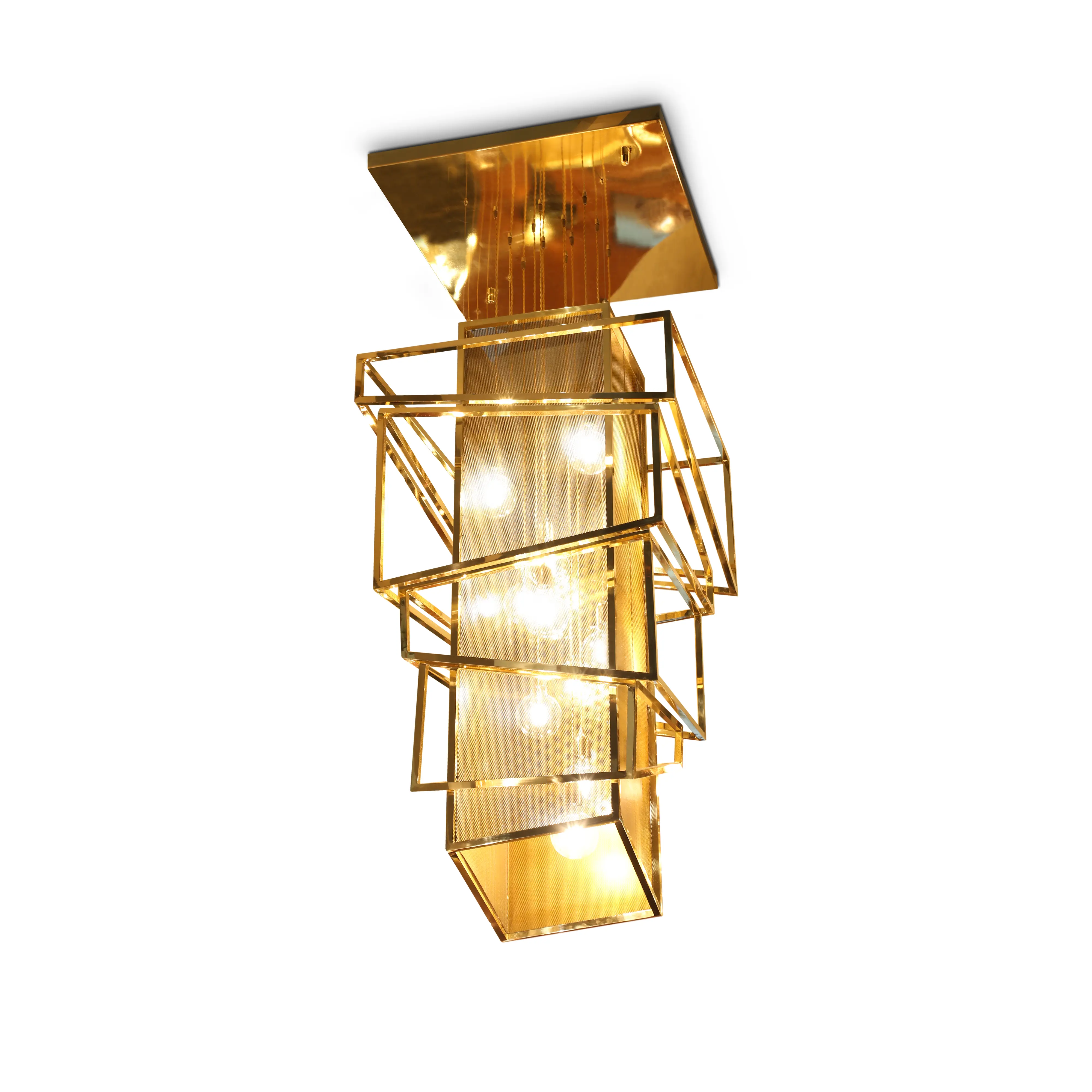
The remedy is to declare the range instead of denying it: approve a sample and write how much variation is allowed against that sample. A manufacturer can give that number; a reseller almost never can.
Ceramic changes in the kiln, and changes by batch
A ceramic glaze is not a colour: it is the result of a reaction that depends on kiln temperature, on the position of the piece and on the thickness of the coat. Two firings of the same glaze give two shades that are close but distinguishable side by side.
For a single piece it does not matter; for a row of identical wall lights along a corridor it matters enormously, and that is the case where the defect is seen while walking. The countermeasure is organisational: the whole supply for one area from the same firing cycle.
It has to be written down, because it is not obvious: a supplier producing in batches can split the order without thinking about it, and is not doing anything wrong until somebody has asked otherwise.
Whoever cleans decides how long the finish lasts
The most carefully chosen surface in a project can be ruined in six months by the wrong detergent. Satin finishes polish up where people pass most often, clear lacquers cloud with alcohol, and acid-etched glass holds the haze of spray products.
None of that damage is covered by warranty, because formally it is misuse. But whoever cleans was given no instructions, and it is not their fault if they use what they use everywhere else in the hotel.
The countermeasure costs one page: a cleaning sheet per finish, handed over with the fittings and not on request. It goes to the management and not to the contractor, because the contractor leaves and whoever cleans stays.
In sintesi
- Define the physical parameters and tolerances of each material directly in the specification sheet to avoid disputes.
- Request a clear visual acceptability range for artisanal processing such as blown glass and ceramics.
- Verify that metal finishes are protected by measurable thicknesses suitable for intensive contract environments.
- Coordinate coupling details and thermal dissipation to protect fragile parts and fabrics from early degradation.
An ongoing project?
Upload the specifications or configure the spaces: the bill of quantities arrives complete with light fixtures and quantities, ready to take into the meeting.
Open the advisor